


Being a Good Neighbor
A good neighbor might be characterized as someone who’ll look after your home when you’re out of town by picking up your mail and watering your plants. You’d most likely reciprocate for anyone who’d be so generous toward you.
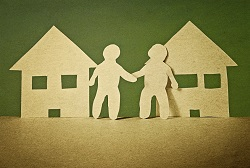 In some cases, you might only be able to name one or two of your neighbors who would step up to that level of service. Wouldn’t it be nice if more people on your street would be happy to make that offer?
The solution may just start with being a better neighbor first. The following suggestions go a long way to improving your neighborhood and making new friends at the same time.
- Meet your neighbors and exchange phone numbers and email addresses. Agree with each other that you’ll let them know if you see something strange going on at their home.
- Slow down when driving through the neighborhood; it will make it safer and everyone will appreciate it.
- Control your dog: keep it on a leash; pick up after it; don’t let it bark too much.
- Don’t park in front of your neighbor’s home.
- Notify your immediate neighbors when you’re having remodeling done and ask them to let you know if any of the contractors cause damage to their property.
- Let your neighbors know when you’re having a party and that there will be more cars on the street than usual.
- Maintain your home and yard so that it adds to the beauty of the neighborhood.
- Put your garbage out for collection on the correct day and bring the containers back in promptly.
In reality, it is fairly obvious; you just have to think of the things that you’d want from your neighbors. Be friendly; don’t be noisy; offer a helping hand when available and respect each other’s boundaries. Having a sense of community and that you all share the neighborhood can be underlying principles that will guide your behavior.
A good neighbor would be aware of suspicious activity and would call their neighbors and the police if warranted. This might be something you can discuss with your neighbors. Click here for a template to record your immediate neighbor’s contact information and keep readily available if needed.
Information courtesy of Montgomery Realtor Sandra Nickel.
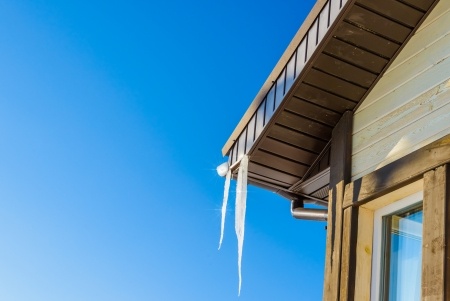 before the temperatures get down too low to get your home ready for the cold. In this blog we are going to give you three ways to
  After all, your monthly payment includes 1/12 the annual amount so there will be money available for them to be paid on time.
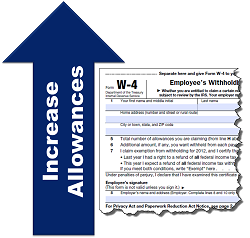 It is possible to adjust the deductions being withheld from the homeowner’s salary so they realize the benefit of the savings prior to filing their tax returns in the form of more money in their pay checks. Employees would talk to their employers about increasing their deductions stated on their W-4 form.
 Actually, no. Unfortunately, there are clever identity thieves waiting at that end of your relocation, also, and your
  Single family homes for rental purposes offer an excellent rate of return in an investment that most people understand better than other investments. The concept is simple: stay with predominantly owner-occupied homes in a slightly below average price range. In most areas, tenants are easy to find and they’ll usually stay two to three years or more.
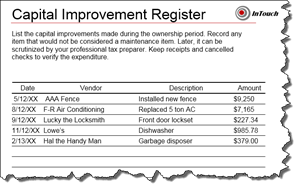 Improvements must add value to your home, prolong its useful life or adapt it to new uses. Repairs are routine in nature to maintain the value and keep the property in an ordinary, operating condition.
 information behind that others can use---mail that is not rerouted to our new address, important papers that aren't shredded but left in the trash, or through hiring rogue movers. The
  affected, it is only natural that we ask ourselves,” Would I be able to sustain such losses? Would my homeowners insurance policy cover the costs of rebuilding my home?
 Victims of Murphy’s Law can attest that their air conditioner goes out on the hottest day of the year or the water heater fails when you have out of town visitors.